Dalmatian Archive and Museum Auckland New Zealand
Our mission statement –
To gather, preserve and make accessible the history of Dalmatian/Croatian immigrants and their descendants in New Zealand.
To serve people with Dalmatian/Croatian ties and interests and to raise awareness of the crucial involvement of our migrants and their descendants in the social and economic history of New Zealand.
Formed 19 December 1989 as the Dalmatian Genealogical and Historical Society our group began the development of the Dalmatian Archive and Museum in 1991. You can find it on the ground floor of the Villa Dalmacija, 10 New North Rd, Eden Terrace, in Mid Town Auckland.
Opening Hours – Currently we open by appointment only. See our contact details below .
Members’ meetings – with a speaker or activity of historical interest are usually held on the first Sunday afternoon of the month from March to November.
Our Newsletter is included the Dalmatian Cultural Society newsletter. Membership of the Dalmatian Cultural Society grants all members access to Dalmatian Archive and Museum group activities.
Our collections, listed below, are a rich source of information and images for social and family historians. We are happy to assist researchers. We are also very pleased to receive appropriate additions to our holdings whether in digital or physical form.
Collections
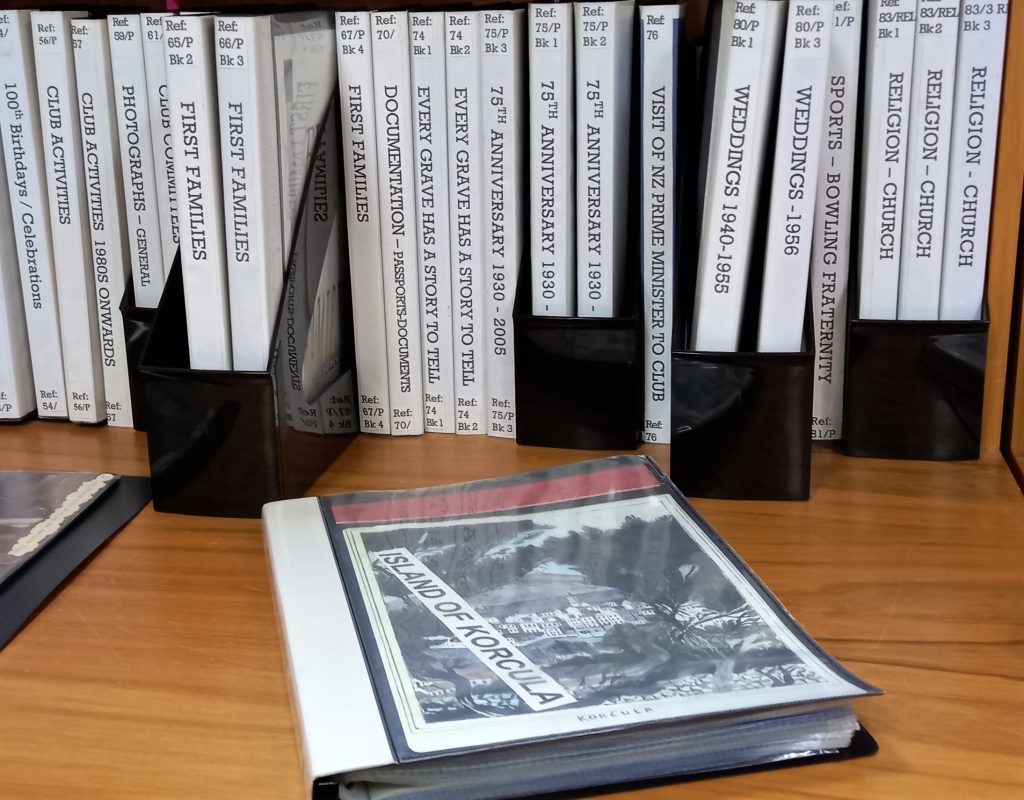
- Family and personal photographs, documents, stories and oral history recordings.
- Research materials collected and used by published historians.
- Books containing information about our settlers and about their culture and country of origin.
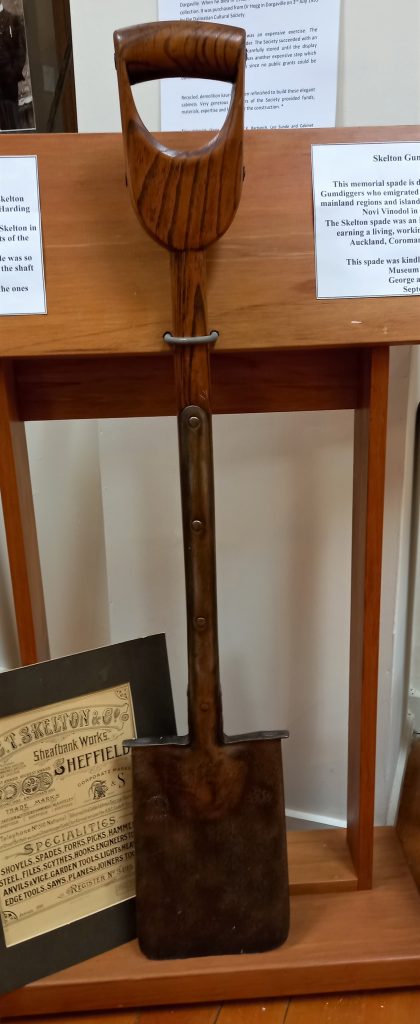
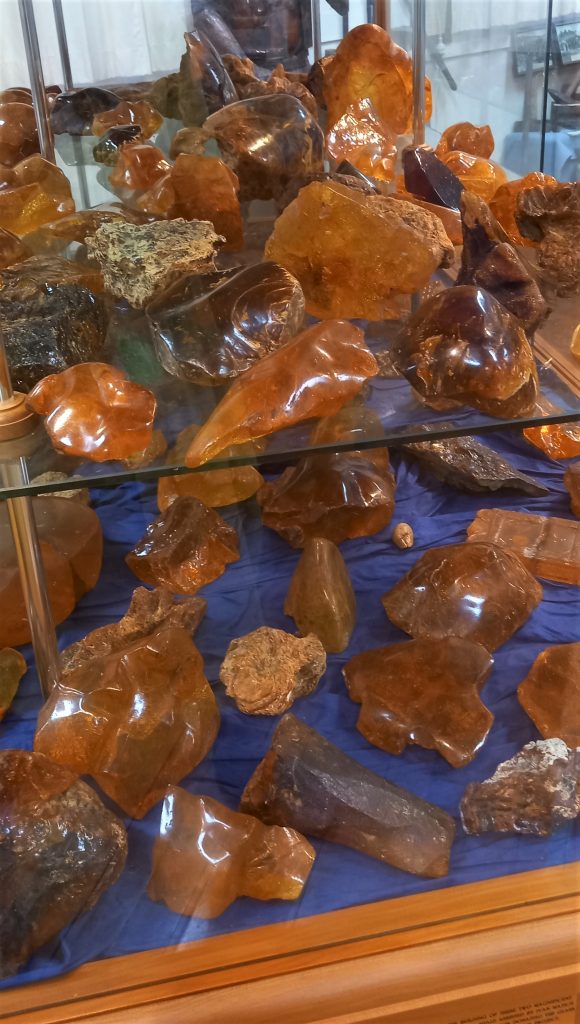
- Kauri Gum – fine examples of a variety of Kauri gum and the paraphernalia that was part of the industry.
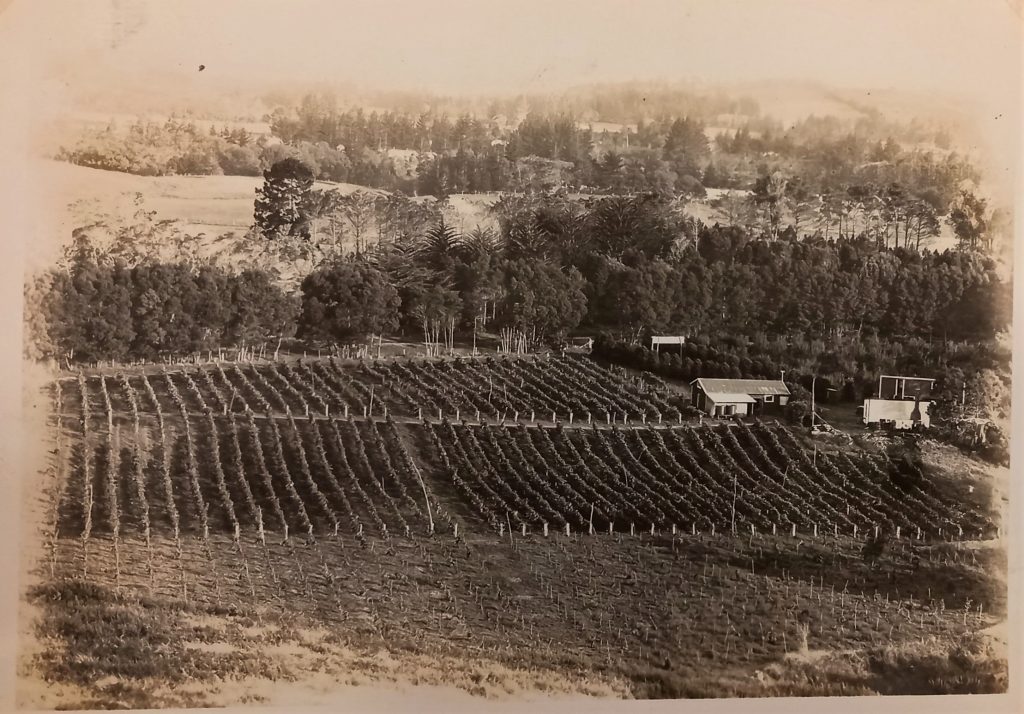
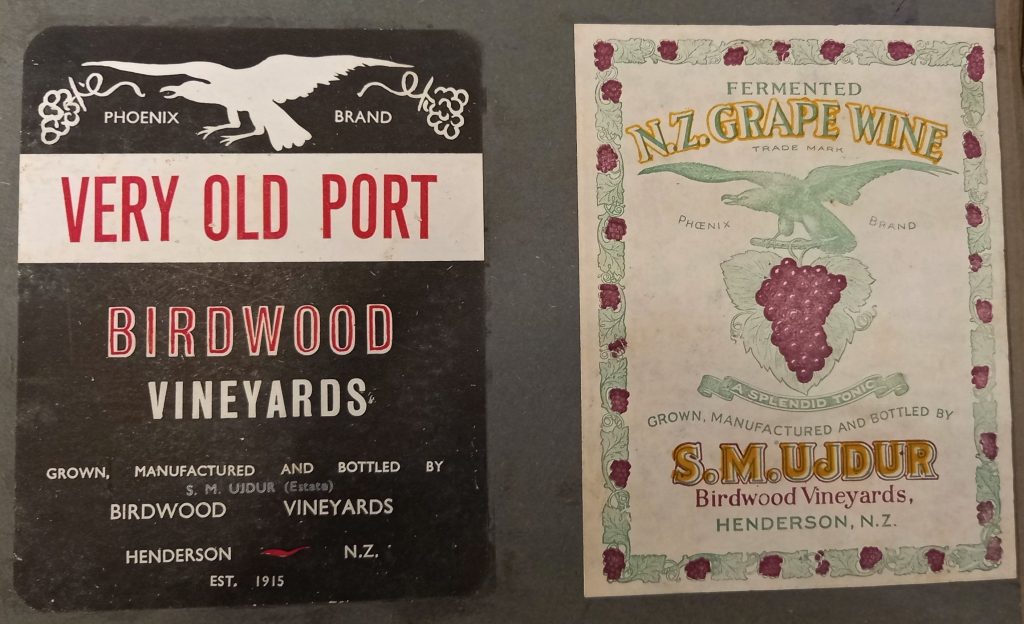
- Wine Industry.
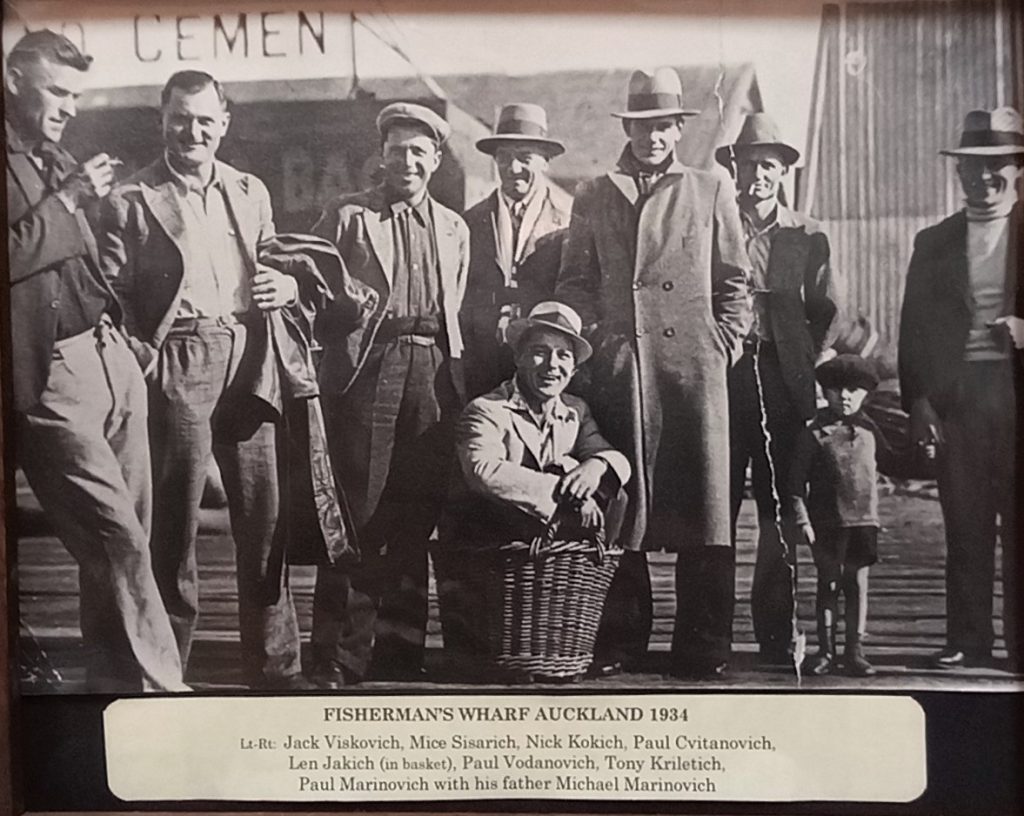
- Fishing
- Fish shops and restaurants.
- Orchardists (West Auckland)
- Stone masons and Basalt Quarries (Mt. Wellington).
- WW1 and WW2 (social history and service personnel).
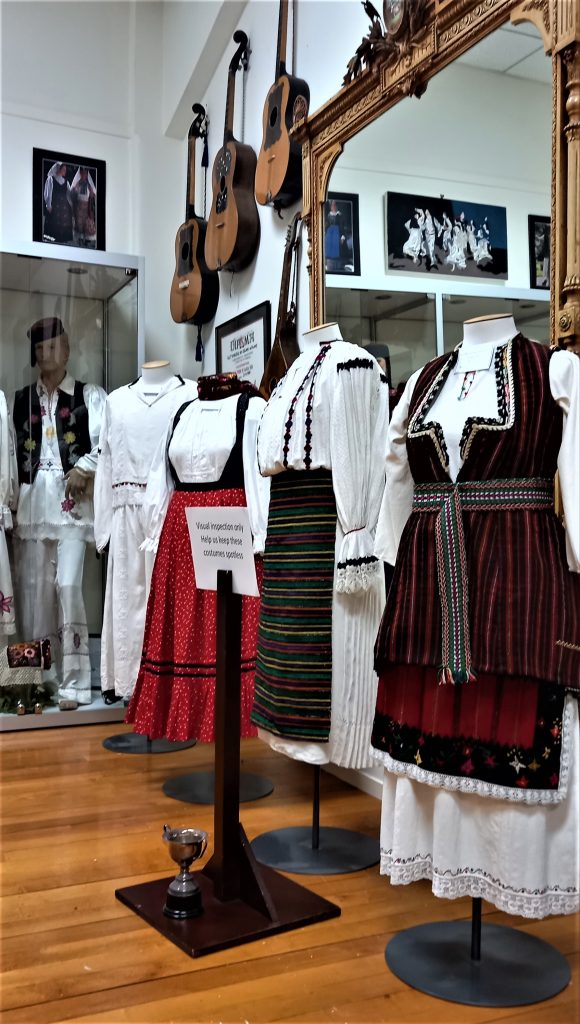
- National Costumes from a variety of regions of the former Yugoslavia and costumes designed and made for Kolo dancers in New Zealand.
- Photographs of all the Kolo dance groups since 1930s.
Contact – email [email protected] , Phone (09) 303 0366 – Archive office,
or mob. 021 02750659 -Slavenka Misa (Secretary), (09) 629 2353 Linda Tolich (Treasurer)
Mailing address – PO Box 8479 Newmarket